Crime Scene Cleanup
After the property is released by police, crime scene cleaning removes blood and controls odor.
See crime scene cleanupGet blood, bodily fluids, contaminated materials and odor removed after investigators release a home, rental, business or vehicle in Cabell County. The cleanup scope is based on where contamination traveled.
Homicide cleanup is specialized crime scene work performed after investigators complete their duties and release the property. It removes bodily fluids, blood and other contaminated materials.
Cleaning the property is not part of the work performed by law enforcement or the medical examiner, whose attention is on the investigation. After scene release, the homicide cleaning service may be arranged by relatives, a property owner, a landlord or another authorized person.
The cleanup process goes beyond ordinary cleaning services. Cleanup technicians locate contamination in the affected area and surrounding areas, protect unaffected rooms, remove materials that cannot be disinfected and treat cleanable surfaces. The work also includes hazardous waste packaging, waste disposal, odor removal and records for an insurance company when requested.
Photos, item lists, scope notes and disposal documents can support conversations with insurance companies and property owners.
You may protect privacy by requesting unmarked vehicles and allowing only authorized people into the property during this difficult event.
You can request details about cleaning, necessary removals, waste movement off the property and the work left for restoration.
Personal property that may be saved is separated so you can discuss it before deciding what needs removal.
Homicide cleanup services are needed when a violent death leaves blood or other biological material in a home, rental, business or vehicle. Common situations include:
The affected area can stay separate during contamination assessments of offices, warehouses, stores and common spaces.
An assessment of seats, insulation, trim and carpet identifies what may remain after cleaning and what needs removal.
After the family retrieves essential belongings and police release the unit, the landlord or authorized property manager may organize scene cleanup.
Visible blood may continue beneath flooring or behind trim, which makes surface wiping incomplete.
Your first steps are to respect the investigation, avoid exposure and preserve useful claim information. Before cleanup technicians enter:
Call (888) 440-9227The available homicide cleanup cost guides list $2,500 to $9,000 for a violent crime scene. They also list $2,000 to $6,000 for a smaller scene and $3,000 to $10,000 for a larger scene. These are published planning ranges, not a quote. The final scope depends on the assessment.
These national ranges are taken from published cost guides, rather than a property visit. You learn what your property will cost after the on-site assessment and before any work begins.
Ask about cost: (888) 440-9227Homicide cleanup may be paid through a renters, homeowners or commercial policy. Whether it applies depends on the specific loss, policy terms and deductible.
Responsibility for arranging the work and covering the cost can vary with local law, ownership, insurance terms and the lease. Tenants and landlords should each contact the appropriate insurer.
Once police release the property, explain the event to your insurer. Check if coverage includes restoration, biohazard cleanup and damaged structural materials.
Victims of violent crime can ask the West Virginia Crime Victims Compensation Fund whether cleanup costs can be included in a compensation claim. Insurance is usually checked first.
Ask the insurance company which photos, item lists, scope notes, invoices and waste records it needs. Make copies of all materials before submission.
After scene release, a controlled order guides the remediation work. Each step reflects how far contamination went, which items can remain and the waste rules that govern the material.
Technicians check contents, nearby surfaces, possible travel paths and flooring edges after an authorized person identifies the affected areas already known.
Clean rooms are kept apart from the work area. To reduce tracking into other areas, cleanup technicians wear appropriate personal protective equipment and follow work-zone controls.
Visible blood and bodily fluids are collected with methods suited to each surface before detailed cleaning and disinfection begin.
If carpet, drywall, pad, subfloor or upholstery cannot be thoroughly disinfected, removal is limited to the minimum workable area.
After thorough scene cleaning, an EPA-registered disinfectant remains wet on each cleanable surface for the contact time stated on its label.
After source removal, filtered air and focused treatments can reduce odor affecting indoor air, materials that remain and adjoining areas.
Applicable rules guide the sealing, labeling and movement of contaminated waste, while available disposal documentation is kept.
The closing assessment examines completed work, returns salvageable personal property according to the agreement and records removed finishes for restoration services.
You can call anytime. A homicide cleanup specialist answers, explains the steps and agrees a start time with you.
Blood, bodily fluids and hidden contaminated materials can present serious health risks, even when the visible area looks small or dry.
Blood can carry hepatitis B, hepatitis C and HIV. According to the CDC, hepatitis B remains viable on surfaces for at least seven days, meaning dried blood needs careful controls.
Fluids may travel into carpet padding, joints, grout, walls and the subfloor. A surface mark may be cleaned while affected material underneath or behind it goes untreated.
Seeing the affected space can cause loved ones deep distress. Professional cleanup lets family members avoid direct contact with the affected space and personal property.
Can you clean it yourself? With disposable gloves, a small quantity of fresh blood may be cleaned off a hard, non-porous area by keeping an EPA-registered disinfectant on it for the full label contact time. If blood reached carpet, wood, fabric, drywall or an area with unclear edges, keep away and seek professional cleanup.
Porous material usually comes out after it absorbs blood. Non-porous surfaces can often be kept, provided that every exposed section is accessible and can be disinfected.
Under 29 CFR 1910.1030, the OSHA Bloodborne Pathogens Standard addresses worker training, protective equipment and exposure controls.
Use an EPA-registered disinfectant suitable for the purpose, and leave the surface wet throughout the contact time on the product label.
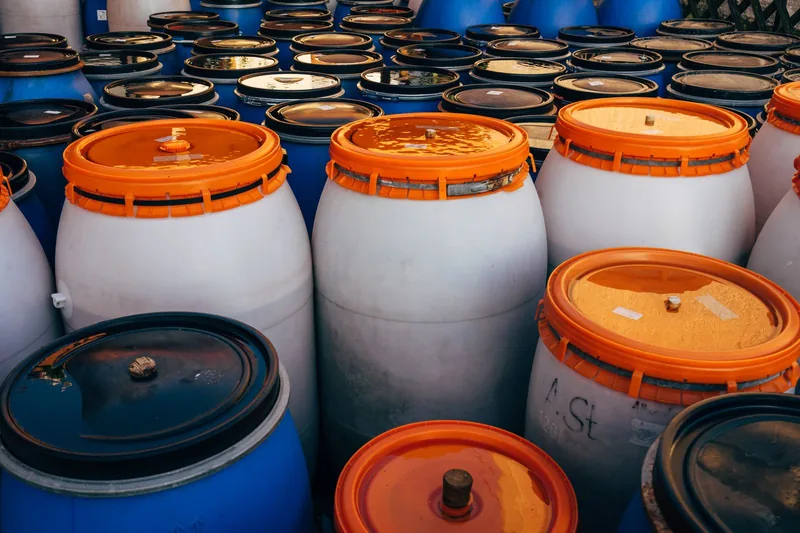
West Virginia classes waste capable of causing infectious disease as infectious medical waste. The state Department of Health's Office of Environmental Health Services oversees how it is packed, transported and treated, so it cannot go in household trash.
West Virginia runs a statewide system. The Office of the Chief Medical Examiner oversees death investigations in every county, working with county medical examiners. Cleanup starts after police or the medical examiner release the scene.
The time required for homicide cleaning depends on how large the scene is, how deep contamination went, how many rooms are involved, available access and how much material needs removal. A useful schedule can be discussed following the initial assessment.
The full homicide cleanup guide covers what is cleaned or removed, odor and air quality work, and the rules that apply in your state.
Read the full homicide cleanup guidePlanning for access, containment and cleanup can depend on local population, housing and entry conditions.
A renter share of 35.1% means clear photos and item records can help different parties follow what cleanup required.
Because the median home dates to 1977, cleanup plans should distinguish washable surfaces from absorbent carpet, padding, and wallboard.
The local count of seniors living alone is 691, so a cleanup plan may need input from someone managing the home remotely.
Because 65.9% of housing is single-family, some calls involve one household while others require coordination around shared building areas.
You can ask about cleanup in nearby communities and ZIP codes during the call.
After the property is released by police, crime scene cleaning removes blood and controls odor.
See crime scene cleanup
Blood cleanup on carpet, hard floors, walls and furniture with safe disposal.
See blood cleanup
Following accidents, violence or injuries, trauma scene cleanup addresses the affected area.
See trauma scene cleanup
After a person dies at home, cleanup addresses fluids, odors and belongings that were affected.
See death cleanup
Suicide cleanup is completed privately and with care, protecting families from seeing the scene.
See suicide cleanup
When a death remains undiscovered for days, cleanup addresses decomposition and controls odors.
See unattended death cleanup
Forensic cleaning of blood also covers investigation residue, tissue and fingerprint powder.
See forensic cleaning
Death odor removal targets the source through ozone treatment, hydroxyl and air scrubbers.
See death odor removalA violent crime scene carries a published homicide cleanup cost range of $2,500 to $9,000. A smaller scene is listed at $2,000 to $6,000, while a larger scene is listed at $3,000 to $10,000. The finished scope depends on police release, disposal needs, contamination depth, room count and scene size.
Once property clearance comes from law enforcement as well as the medical examiner, an authorized manager, relative, owner or landlord may organize cleanup. Biohazard remediation, blood cleanup, surface disinfection, odor treatment and hazardous waste removal may be completed by homicide cleaners. Police are responsible for investigating the scene, not performing the cleaning service.
Yes, additional hazards may be present at the property. Heavy accumulations may be addressed through hoarding cleanup services once evidence restrictions have ended. A sewage backup may make sewage cleanup necessary, while resulting water damage might also need drying. Each hazard needs its own containment, cleaning process and disposal plan.
If blood affected wood, furnishings, fabric, drywall, carpet or somewhere hidden, the cleanup is not suitable for DIY work. Serious health risks can result from contamination you cannot see and bloodborne pathogens. Keep people and pets away, wait for scene release and arrange professional cleanup for any affected area whose full boundary is unclear.
Some or all covered expenses may be paid after the deductible, although terms vary for every policy and every situation. Give the insurance company the claim details and ask about emergency response work, biohazard cleanup, building materials and restoration. Retain all photos, work notes, bills and waste records.
First, cleanup technicians identify the affected area and establish containment around it. Technicians use protective gear while collecting visible material and removing porous items that disinfection cannot make safe. Remaining surfaces are cleaned before an EPA-registered disinfectant is left on for its labeled contact time. Hazardous waste is packaged before the finished scope receives a final check.
Respectful, discreet homicide cleanup is available 24 hours a day, and crews arrive in unmarked vehicles.